Do I need to know which treatment I want?
No. Arrive with your concern. The consultation will help you understand what treatment options may be appropriate and what each one can realistically achieve.




First consultation
A doctor-led aesthetic consultation is not a sales conversation. This is what actually happens, from first contact to the end of the appointment, and what comes after.
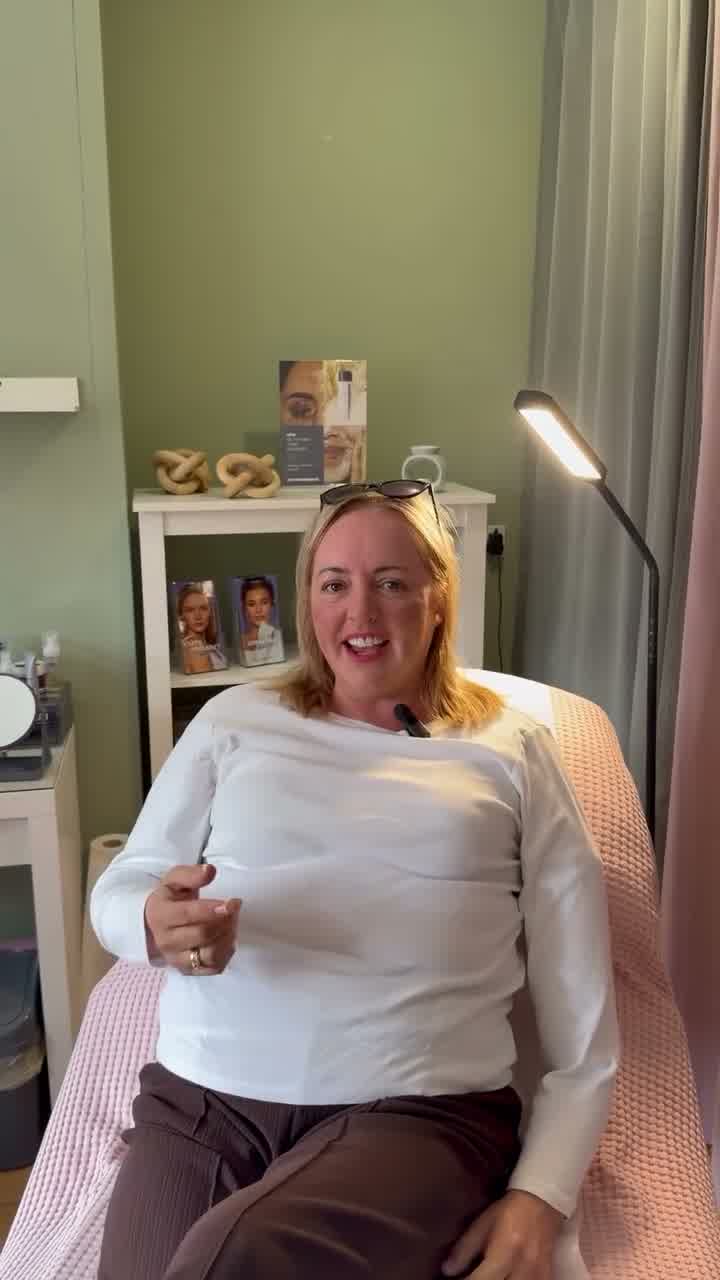
You do not need to arrive knowing which treatment you want. Many patients come with a general sense of what bothers them, a change they have noticed over time, something a photograph showed them, an area they have become more aware of in the past year or two. Being specific about your concern, rather than about a particular treatment, makes the consultation more productive. The treatment recommendation is the doctor’s job. The concern is yours to bring.
If you are taking any regular medications, it is helpful to have a list available. Certain medications interact with botulinum toxin or with local anaesthetic components used in some filler treatments, and knowing what you take allows the consultation to be more thorough. Relevant medical history, autoimmune conditions, previous neurological issues, prior aesthetic treatments, is also worth having in mind.
No special skincare preparation is required before a consultation appointment. You do not need to stop or start any product. You do not need to arrive without makeup. The consultation is an assessment and a conversation, not a procedure. Come as you normally would.
A properly run aesthetic clinic will ask you to complete a medical history form before or at the start of your appointment. This form covers current medications, existing health conditions, known allergies, any previous aesthetic treatments you have had, and relevant personal and family health background. It may feel routine or administrative, but it is not. It is the foundation of a safe treatment plan.
This step is not optional in a proper clinical setting. The information collected on a medical history form directly affects what treatments can be offered, what contraindications exist, and how the consultation will proceed. A practitioner who skips this step, who moves straight from greeting you to discussing treatment, has no basis for a proper clinical assessment. This is a warning sign, not an efficiency.
At a consultation with Dr Winter, you will also be asked about your goals and expectations. This is part of the consent process: understanding what you are hoping to achieve, and being honest about what a given treatment can and cannot deliver for you specifically. Informed consent requires that you understand the realistic scope of the outcome before agreeing to proceed. A consultation that does not include this conversation is not a proper medical consultation.
A thorough first aesthetic consultation typically lasts between 30 and 45 minutes. This is not an arbitrary target, it reflects the time needed to take a meaningful medical history, conduct a proper assessment of the relevant anatomy, explain treatment options with genuine clarity, and allow time for the patient’s questions.
If you are offered a ten-minute consultation that includes treatment on the same day, the assessment has either been compressed to the point of being nominal, or it has been skipped in favour of proceeding to the commercial transaction. This is not uncommon in volume-based aesthetic clinics. It is also not a medical consultation in any meaningful sense.
Time is what a proper medical consultation costs. It is also what separates a practitioner who is genuinely assessing your suitability from one who is confirming what you have already decided you want. The willingness to take that time, and to charge appropriately for it, is one of the clearest signals that you are in the right kind of clinic.
To request a consultation at the Prestwich clinic, you fill in a short form or contact the clinic directly. You do not need to know exactly which treatment you want. You need a concern or area you would like to discuss, the consultation is the right place to work out what, if anything, is appropriate.
The clinic team will confirm your appointment and advise on anything relevant to prepare. There is no list of pre-treatments or products to buy in advance. Arrive as you normally would.
The consultation with Dr Winter covers several things in no particular script, though the structure broadly follows this pattern:
When a doctor describes assessing the area, that phrase covers considerably more than a quick look. A proper clinical assessment of the face, whether for anti-wrinkle treatment or dermal filler, involves a structured visual examination from multiple angles, in different light conditions, and in both repose and movement.
For anti-wrinkle treatment, Dr Winter will ask you to make a series of expressions. Raise your brows. Frown. Squint. Smile. These movements reveal how your specific muscles behave, which ones dominate, where they insert, how they create the lines you want to address, and whether those lines are dynamic (caused by muscle movement) or static (present even at rest). This distinction matters clinically. Dynamic lines respond well to botulinum toxin. Static lines may require a different approach, or a combination of treatments, or an honest conversation about what is and is not achievable.
For filler assessment, the evaluation extends to facial proportion, the distribution of volume loss, bone structure, and how ageing has affected the underlying support of the soft tissue. Filler placed without this kind of assessment tends to look added-on rather than restored. The difference between filler that looks natural and filler that looks obvious is very often the quality of the assessment that preceded the injection.
This takes time. It is also the part of the process that most directly determines whether treatment will produce a good result, or a result that looks like treatment. The assessment is where the clinical judgement that justifies the higher fee actually lives. It is not in the injection itself, which takes minutes. It is in the time spent understanding what the injection should achieve and whether it is appropriate to attempt it.

It is not a booking process with a brief chat attached. It is not a situation in which a practitioner confirms a treatment you have already chosen and then books you in. A doctor-led consultation may conclude that the treatment you had in mind is not appropriate, that a different treatment would better suit your concern, or that no treatment at all is the right answer at this stage.
That outcome is not a failure of the consultation. It is the consultation working correctly.
A significant proportion of patients who attend a first consultation with Dr Winter leave without treatment booked. This is not a rarity or an edge case. It is a predictable outcome of a genuine medical assessment process.
There are several reasons a consultation might conclude that treatment is not appropriate. The concern may not be well-suited to the treatment the patient had in mind. For example, a patient concerned about hollowing around the eyes may have anatomy that makes filler in that area higher-risk than the expected outcome justifies. A patient seeking to smooth forehead lines may have compensatory brow elevation, meaning that treating the forehead muscles could cause the brows to drop in a way the patient would find more concerning than the original issue.
In other cases, the best option at this stage is not an injectable at all. Skin quality concerns, texture, tone, pigmentation, often respond better to a skincare or skin-health approach than to a filler or toxin injection. Recommending a different path is part of what a properly trained clinician does. It is not an admission that the consultation was a wasted journey. It is the assessment producing a correct answer rather than a commercially convenient one.
A practitioner who recommends treatment for every patient who attends is not conducting proper assessments. The willingness to say no, clearly, honestly, and with an explanation, is one of the most reliable signals that the clinical process is genuine.
Across the aesthetics market, the word “consultation” covers a very wide range of actual practice. At one end, it describes what has been set out in this article: a structured medical appointment with a qualified practitioner, lasting 30 to 45 minutes, that genuinely arrives at its own conclusion about whether treatment is appropriate.
At the other end, a “consultation” in many clinics is effectively a booking conversation. It confirms what the patient has already decided they want. It collects the payment or deposit. It books the treatment slot. The examination, if it happens at all, is brief and unsystematic. The outcome is determined before the conversation begins.
The difference is not always obvious to a patient who has not experienced both. The signals to look for are: Does the clinic offer same-day treatment? Is the consultation free and brief? Does the practitioner seem certain about the treatment recommendation before they have completed the examination? Does the conversation feel like an assessment or like a sale?
A consultation at which the practitioner seems certain you should proceed before they have properly assessed you is not reassuring. It is the uncertainty, the willingness to conclude that treatment is not appropriate, that signals a proper medical assessment.
If treatment is appropriate and you decide to proceed, an appointment is arranged at a later date. The two-step process, consultation first, treatment separately, is deliberate. It gives you time to process the information, reflect on the conversation, and make a decision without any sense of immediacy or commercial pressure.
You should leave a consultation with a clear understanding of what treatment was discussed, what it involves, what realistic results look like for your specific anatomy and concern, and what the aftercare requirements are. If you cannot answer those questions at the end of the appointment, something was not communicated clearly enough, and you should ask before leaving.
If you want more time before deciding, take it. There is no incentive structure designed to make you book immediately. The clinic will follow up in whatever way is helpful, and the appointment will be there when you are ready. Many patients find that sitting with the information for a few days clarifies their thinking considerably. That is a reasonable response to a decision that affects how you look and involves a medical procedure.
Book in Prestwich
Share what you would like to discuss and choose Prestwich as your preferred location. The clinic team will confirm availability.
Request Prestwich appointmentNo. Arrive with your concern. The consultation will help you understand what treatment options may be appropriate and what each one can realistically achieve.
Not typically. A separate appointment for treatment follows the consultation. This gives you time to consider and ensures suitability is assessed properly.
Dr Winter will explain clearly what is and is not appropriate and why. Not every patient is suitable for every treatment, and that conclusion is the system working as it should.
The clinic is at Room 1, 20 Sandy Lane, Prestwich, Manchester. Well-suited for patients across Prestwich, Whitefield, Bury, and north Manchester.
You are under no obligation to proceed after a consultation. If you want time to think before booking treatment, that is reasonable and expected. There is no deposit or commitment required at consultation.
No specific preparation is required for a consultation appointment. If you are subsequently offered treatment, Dr Winter will advise on any pre-treatment guidance relevant to your specific case.